
Department of Biology Field Sites
Biology Department members conduct field research both near and far from campus. These are some of the opportunities.
Adjacent to the Wake Forest Campus
Biology classes and researchers frequently use Reynolda Gardens, the 134-acre estate of R.J. and Katherine Reynolds, to explore the plants and animals of the North Carolina Piedmont. The trail that leads to the gardens is across the street from Winston Hall. This publicly accessible preserve functions as an active learning center for botany, zoology, environmental sciences, and landscape history.
In North Carolina and the Southeast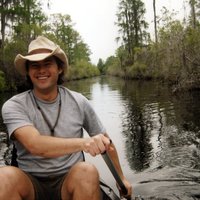
Wake Forest classes and researchers utilize many of the landscapes of southern Appalachia, including North Carolina’s barrier islands, beaches, mountains, and forests. The department is a member of the Highlands Biological Station in Highlands, NC (highlandsbiological.org).
Nationally
Bat biologists spend summers in the Chiricahua Mountains of Arizona. Ecologists conduct long term studies in the forests of the northern Rockies and at the Bigelow Laboratory for Ocean Sciences in East Boothbay, ME.
Further Afield

WFU maintains an active research station on the Serengeti Wildlife Preserve in Tanzania, Africa
Wake Forest researchers are participating in long-term studies of grass and grazers in East Africa; plant communities, climate change and the impact of human activities in the Andes and Amazon of Peru, and seabirds in the Galápagos Islands; Biology researchers and classes regularly travel to Lighthouse Reef Atoll, a pristine marine environment about 50 miles off the coast of Belize; malaria researchers maintain connections with researchers in Blantyre, Malawi.